Allow Log On As A Service Gpo
If the settings to deny interactive logon for service accounts are included in another more complex GPO ie. While this may be the only way to accomplish this it is decentralized and uncertain to.

Managing Logon As A Service Group Policy Theitbros
Description Allow logon as a service.

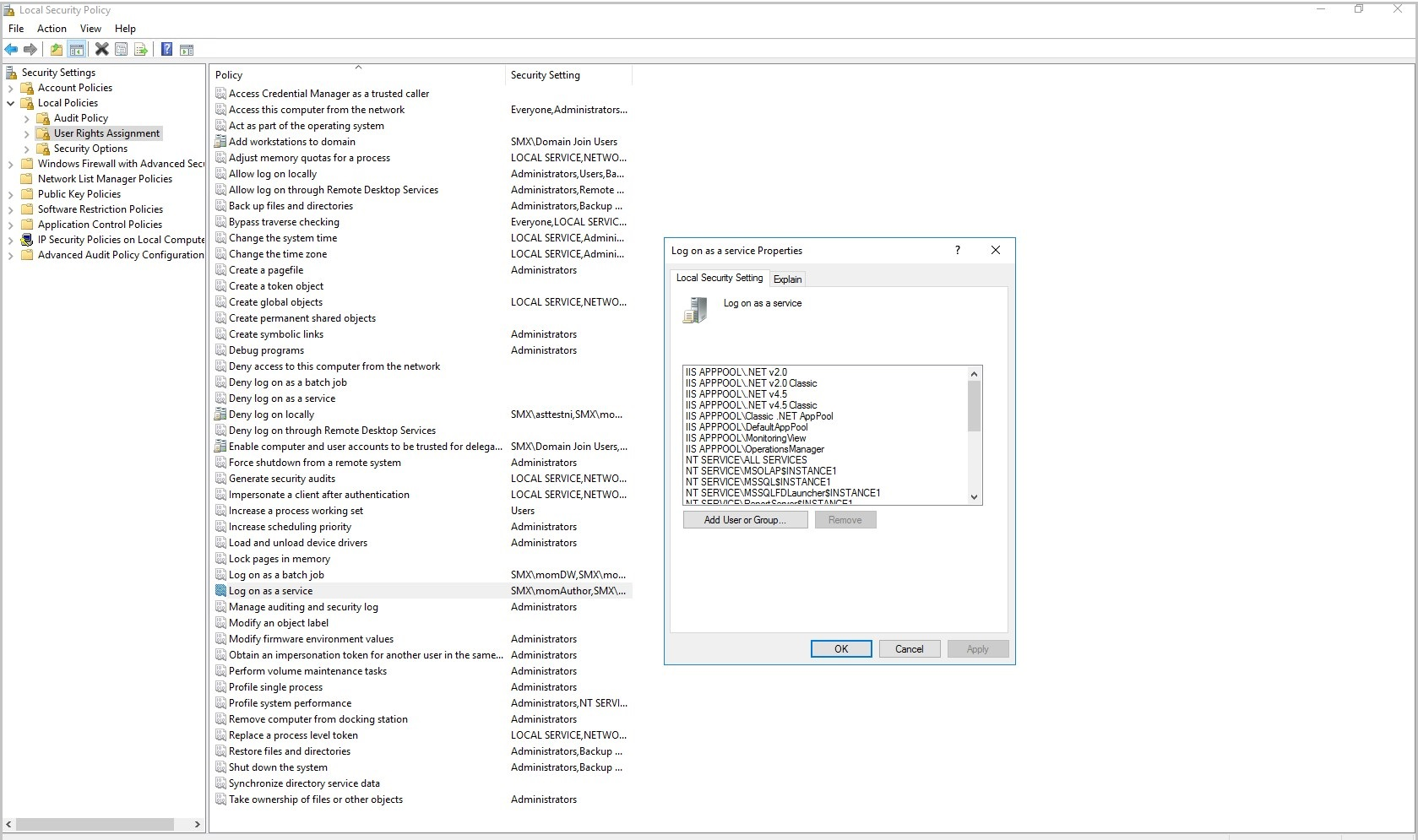
Allow log on as a service gpo. If you also grant Allow log on locally to a local group that you create you can use group policy with item-level targeting to add the domain users that should have logon access to that group. The reason being that adding a user to this GPO only authorizes him for a Remote Logon to the server but does. Click OK in the Log on as a service Properties to save the changes.
Apply this policy to your Servers OU not computers dont want them affecting workstations unless you must. How do I enable the Add User or Group and Remove buttons on the Logon. Create a second GPO and call it something like Security - Logon as a Service.
Configuring GPO-based Access Control for SSSD. I need to be able to run some of my services as a user that also has access to SQL Server. Delete all member groups Enabled.
A security baseline GPO create an exception policy for that machine by making a copy of the baseline policy and altering only those settings which must not be applied to the machine the GPO copy will be used for. Start Run gpmcmsc This will open up the Group Policy. Expand Local Policy and click User Rights Assignment.
Check on Define this policy setting and select. This can be done via the Local Security Policy secpolmsc or via GPO. You have a need to set a user or group to have Log on as a Service or Log on as a Batch Job rights.
However there are two obvious issues with this. So now we have a computer local group seServiceLogonRight which we. For instance VMware Workstation and VMware Player have functionality that will not work unless the service account they create is included in Allow Log on Locally.
Be on the lookout for software that creates local service accounts that need to be included in Allow Log on Locally. And now we delegate GPO management on the service OUs like SQL and IIS to the people managing these services. In the Select Users or Groups dialogue find the user you wish to add and click OK.
In the right pane right-click Log on as a service and select properties. Now if you have a user account which is not a part of the Administrators or the Remote Desktop Users groups and you go ahead and add him to the GPO for Allow Logon through Terminal Services they will still not be able to create a successful RDP connection to the server. So I suggest that you set your group policy to allow logon access to.
Allow log on as a service Deny log on as a service ad_gpo_map_service a As named in the Group Policy Management Editor on Windows. In the right pane right-click Log on as a service and select Properties. Delete all member users Enabled.
Remove the policy changes in the default domain policy. The same is true for all other local se-groups. 1 Using SECPOLMSC means youre editing the local security policy.
Click OK in the Log on as a serv. B See the sssd-ad 5 man page for details about these options and for lists of pluggable authentication module PAM services to which the GPO options are mapped by default. Group Policy newbie here.
We will name this GPO Disable Services Press OK The New GPO will show up in the SharePoint Server OU on the right side of the screen where the list of GPOs are located. Go to Administrative Tools and click Local Security Policy. From here you can either type in the service name in the Service Name field or click on the button to chose the service from a predefined list of services.
In the Select Users or Groups dialogue find the user you wish to enter and click OK. Right Click and select Edit Navigate to Computer Configuration Windows Settings System Services. In the right pane right-click Log on as a service and select Properties.
To grant log-on-as-a-service on a domain controller it must be granted by the default domain controller Group Policy Management. Follow answered Jul 27 18 at 145. Add all your service accounts to this just like how they are added to your default domain policy.
Click Add User or Group option to add the new user. In the menu click on Action New Service and now click on the button next to the Service Name field. The SQL admin simply goes ahead creates a GPO.
Click on the Add User or Group button to add the new user. Sign in with administrator privileges to the computer from which you want to provide Log on as Service permission to a Run As accounts. Double click the Service which you wish to change.
GPO-based access control can. Use Group Policy the setting you were using to assign the Log on as a Service user right to the default usersgroups and the group ServiceAccounts I think this should work.
Reset Local Group Policy Settings In Windows Windows Os Hub
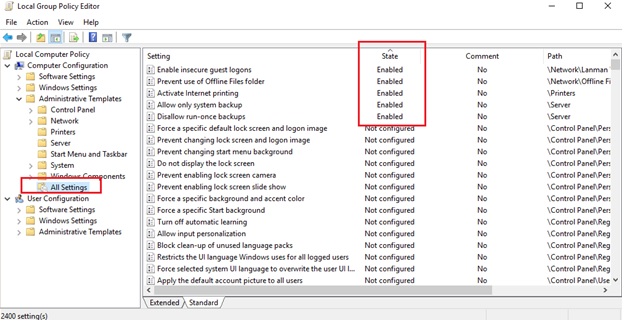

Windows Server 2016 2019 Group Policy Security Settings 4sysops

New Gpo Settings In Windows 10 1903 Enforce Updates Storage Sense And Logon 4sysops
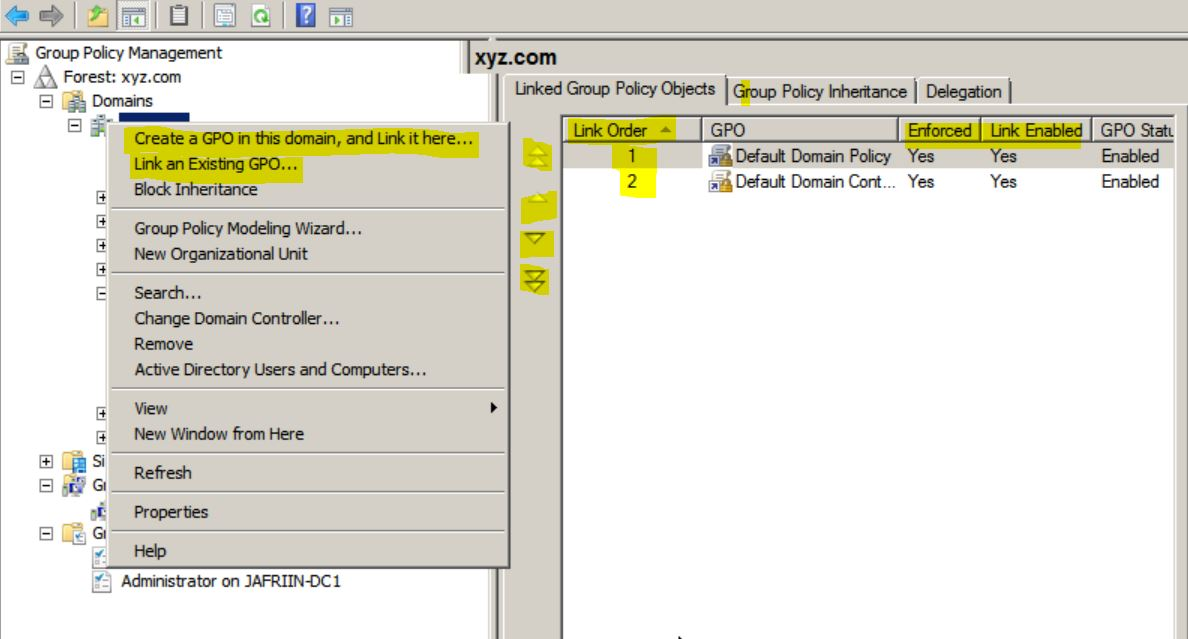
How To Link A Gpo To An Ou
Copy Files Or Folders To All Computers Via Gpo Windows Os Hub


Migrating Gpo Settings To Wem James Kindon

Managing Logon As A Service Group Policy Theitbros
Deny And Allow Workstation Logons With Group Policy 4sysops
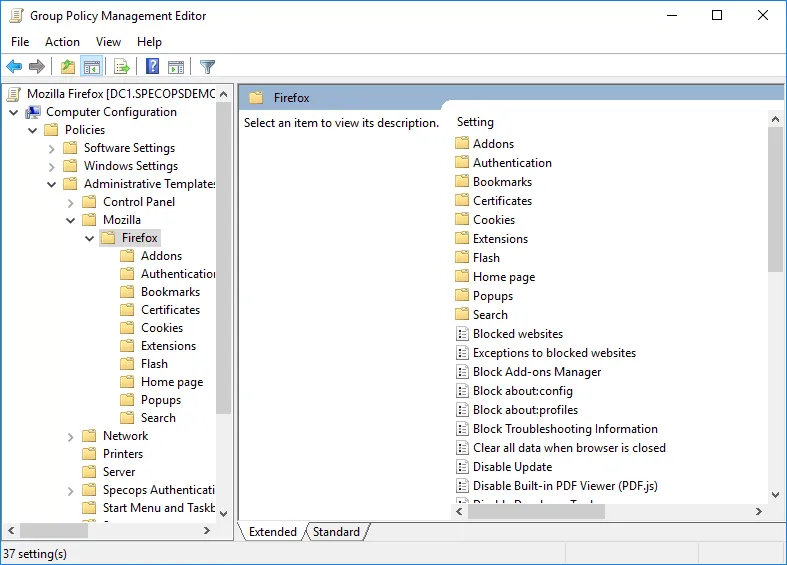
Using Firefox Enterprise Gpo S To Enable Windows Integrated Authentication To Specops Websites Specops Software

Controlling Autodiscover With The Registry Or Gpo Ac Brown S It World
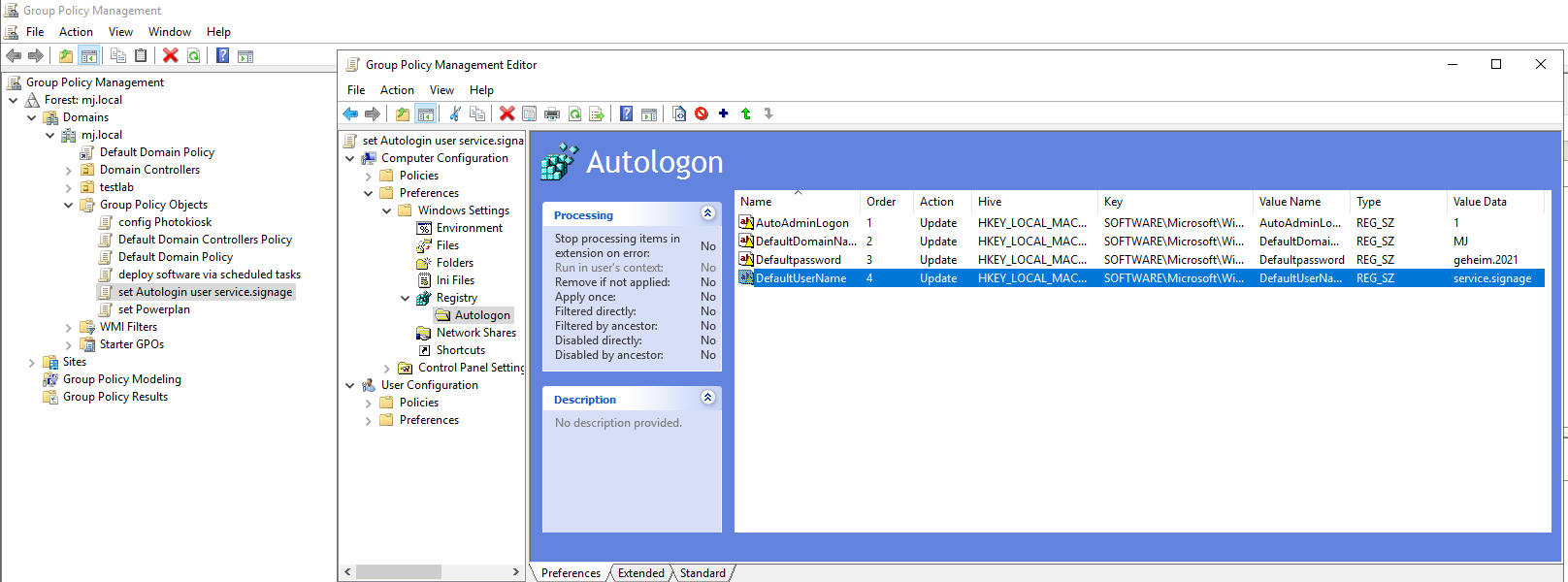
Automatische Anmeldung Autologin Via Gpo

Windows Server 2016 2019 Group Policy Security Settings 4sysops

Enable Service Logon Microsoft Docs
Troubleshoot Slow Gpo Processing And Login Speed Impact Windows Os Hub
Enable Service Logon Microsoft Docs
Group Policy Security Filtering Technical Blog Rebeladmin

Managing Logon As A Service Group Policy Theitbros
Disable User Interactive Logon To A Domain
Troubleshooting Group Policy Gpo Not Being Applied Windows Os Hub

Post a Comment for "Allow Log On As A Service Gpo"